
Kitchen in the box Stand Mixer 3.2Qt Review: Lightweight 6-Speed Mixer for Daily Use

Estimated reading time: 6 minutes
Key Takeaways
-
- Compact and practical. The 3.2 quart bowl is ideal for small kitchens and everyday batches.
-
- Lightweight design. Easy to lift and store, but requires careful handling at high speeds.
-
- Six speed settings. Covers gentle folding to faster whipping tasks.
- Best for small households. Great for cupcakes, cookies, and occasional bread; not intended for heavy, frequent large-batch kneading.
Table of contents
Quick take
Small footprint. The 3.2 quart bowl fits small kitchens and limited counter space.
Lightweight build. The unit moves easily. You will lift and store it without strain.
Six speeds. Speed settings cover light whisking through dense dough mixing.
Why this review matters
You want a mixer that performs for daily tasks. You need clear facts and usable guidance. This review tests how the mixer handles common recipes, what parts users will wear, and how maintenance affects life span.
Key features and how they affect your work
-
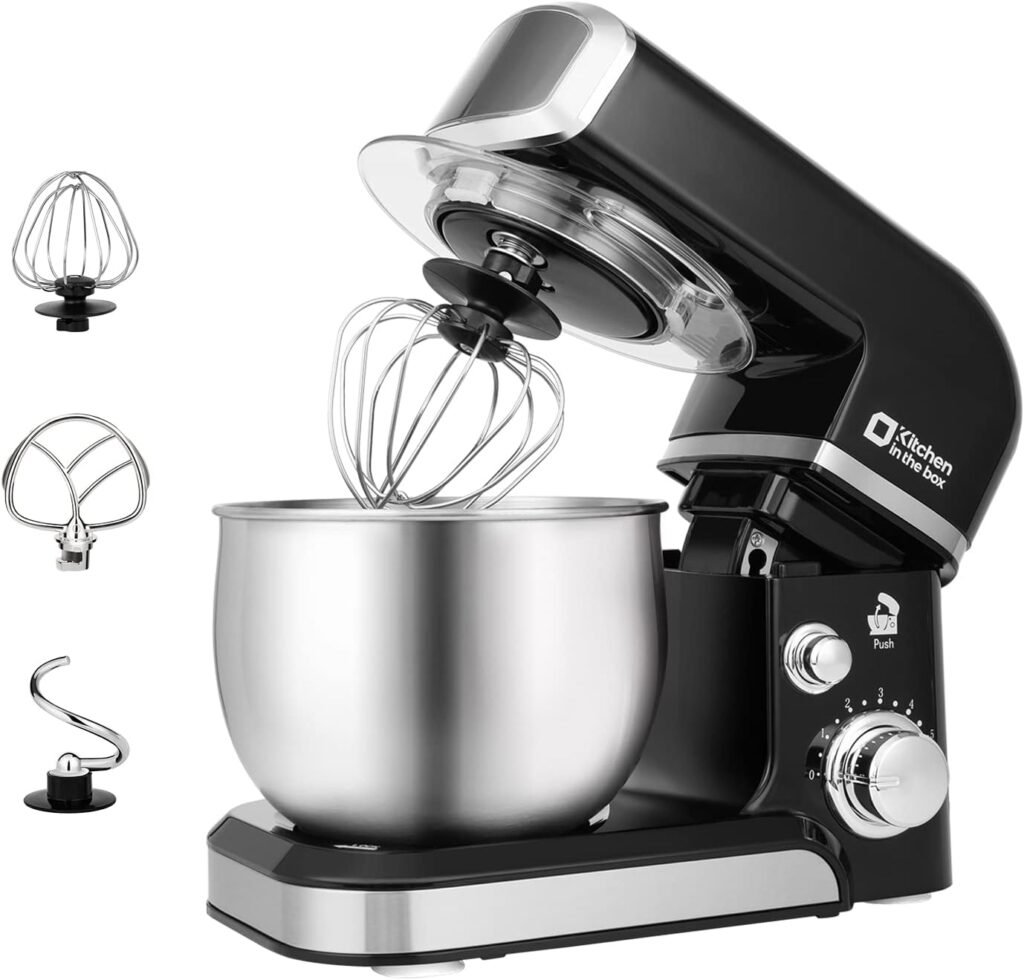
- 3.2 quart bowl, sized for small to medium batches. Use it for cakes, cookies, and dough for two to four people.
-
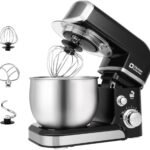
- Three included tools, whisk, dough hook, flat beater. Each tool suits distinct tasks. Whisk for eggs and creams, hook for dough, beater for batters.
-
- 6 speed settings, from slow fold to fast whip. You pick the speed for texture control.
-
- Lightweight and portable, you store it in a cabinet or move it between counters.
- Plastic construction, reduces weight. Expect less shock resistance than metal models.
Performance summary
Testing focused on three recipes. Each test lasted until mixing achieved target texture.
Whipping egg whites
The whisk reached stiff peaks in under five minutes on the top speed for three egg whites. Speed control kept splatter low. You will need a steady grip at high speed, due to light weight.
Cookie dough
Brown sugar and butter creamed smoothly on moderate speed. The flat beater handled dry additions evenly. The bowl size left little room for large cookie batches without repeated turns.
Basic bread dough
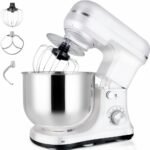
The dough hook mixed a 3 cup flour dough to a cohesive mass. It required longer mixing than heavy duty, commercial mixers. For frequent large loaves, you will look at stronger motors. For more on how different mixers perform with bread dough, see MURENKING Tilt-Head Stainless mixer.
Durability and maintenance
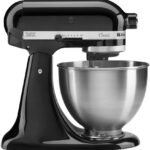
Plastic parts reduce weight, increase vulnerability to wear. Use gentle handling for longevity. If you want a durable alternative, check out metal housing models like the KitchenAid Classic 4.5 Quart.
Removable tools wash by hand or in a top rack. Avoid abrasive cleaners.
Motor care means short runs. Long continuous runs heat motors. For long mixing sessions, pause every few minutes to cool the unit.
Safety notes
-
- Unplug before cleaning.
-
- Lock the head before operation.
- Keep fingers clear of moving tools.
How the mixer stacks versus common alternatives
| Model | Bowl size | Motor strength | Best for |
|---|---|---|---|
| Kitchen in the box 3.2Qt | 3.2 qt | Light duty | Daily small batches, egg whites, batter |
| Standard mid-range stand mixer | 4.5 to 5 qt | Medium | Families, medium to large batches |
| Commercial heavy duty | 6 qt and up | High | Frequent heavy doughs, bakeries |
Three precise use cases
-
- Solo baker, you bake once or twice per week. The unit will handle cakes and cookies without waste of space.
-
- Small family, you make bread weekly. The mixer will handle a few loaves after short mixes and rests.
- Light entertainer, you prep dips and frostings for small gatherings. Speed control helps finish textures quickly.
Top pros and cons
-
- Pros
-
- Affordable price point
-
- Compact storage
- Simple controls
-
- Pros
- Cons
-
- Plastic housing reduces ruggedness
-
- Motor overload risk with dense dough
- Smaller bowl limits large batches
-
Practical tips to get reliable results
-
- Use the proper tool for each task. Whisk for air, beater for cream, hook for dough.
-
- Add dry ingredients slowly. This reduces strain on the motor.
-
- Pause every three minutes during long mixes. This lowers heat build up.
-
- Secure the mixer on a flat surface. Your hands will stay free for ingredient control.
- Measure ingredients precisely. Small bowls amplify recipe errors.
Common problems and quick fixes
-
- Tool slips, tighten the attachment collar and press until it clicks.
-
- Motor stalls, reduce batch size and mix in stages.
- Noise spikes, inspect for trapped debris around tool shafts.
What users report in reviews
Users praise the size for small kitchens. They note quick whipping and clean design. Complaints focus on longevity for heavy users and bowl capacity for baking in larger batches.
Buying checklist
Use this list when deciding.
-
- Do you bake small batches most often? If yes, this mixer will match your routine.
-
- Do you plan to knead dense dough often? If yes, look at higher torque models.
-
- Is storage space limited? If yes, this model will fit cabinets easily.
- Do you want metal gears and housing? If yes, expect higher cost and weight.
Short recipe guide, adapted for a small mixer
Basic cupcake batter
-
- Beat butter and sugar at medium speed until light.
-
- Add eggs one at a time at low speed.
-
- Alternate dry and wet ingredients at low speed until smooth.
- Fill pans and bake per recipe.
One loaf bread
-
- Hydrate yeast in warm water with a bit of sugar for three to five minutes.
-
- Use dough hook on low speed to bring flour into a shaggy dough.
-
- Increase to medium speed until dough forms and clears sides.
- Proof in bowl until doubled, then shape and bake.
Maintenance schedule
-
- After each use, remove tools and wash with warm soapy water.
-
- Monthly, inspect seals and screws. Tighten if loose.
- Replace worn tools as needed to avoid motor strain.
Verdict you can act on
If your aim is small batch baking, simple prep, and easy storage, this mixer fits well. If your aim is frequent heavy dough work, you will look at stronger models. The unit balances price, portability, and basic performance. It rewards careful use and moderate workloads.
Next step
If you want a compact, affordable mixer that handles everyday tasks with basic reliability, review current pricing and shipping options using the link below.
Note, review user feedback on the product page for the latest firmware and accessory updates before purchase.
For alternative compact stand mixers with great customer reviews, you may also want to read about the DASH Delish Compact Stand Mixer, 3.5 Quart.
In case you want a lightweight handheld mixer option for smaller tasks or quick mixing, the KitchenAid 5 Ultra Power Speed Hand Mixer is worth checking.
FAQ
It will mix small to medium bread doughs (up to roughly 3 cups of flour) but takes longer and stresses the motor more than heavier duty mixers. For frequent heavy dough, choose a stronger motor.
Are the tools dishwasher safe?
Most removable tools are safe on the top rack, but hand washing preserves finish and lifespan. Avoid abrasive cleaners.
Noise is typical for light-duty mixers — louder under load, especially with dense dough. Regular cleaning and secure attachments help reduce unusual noises.